
The Tony Vitello Experience
Let's take it easy on Tony Vitello's start with the Giants.

It hasn’t been an easy start for Tony Vitello’s first month with the San Francisco Giants. The Giants finished April 11-15 and are sitting toward the bottom of the National League standings.
Vitello was hired by the Giants back in October of 2025 after spending seven seasons building a college powerhouse at Tennessee. President of Baseball Operations Buster Posey made a bold move hiring Vitello for the managerial gig. The college-to-pros hire has been common in the NFL and NBA, but it is unprecedented in MLB history. Vitello became the first newly hired manager to have no prior managerial or associate coaching history in the Minor Leagues or MLB.
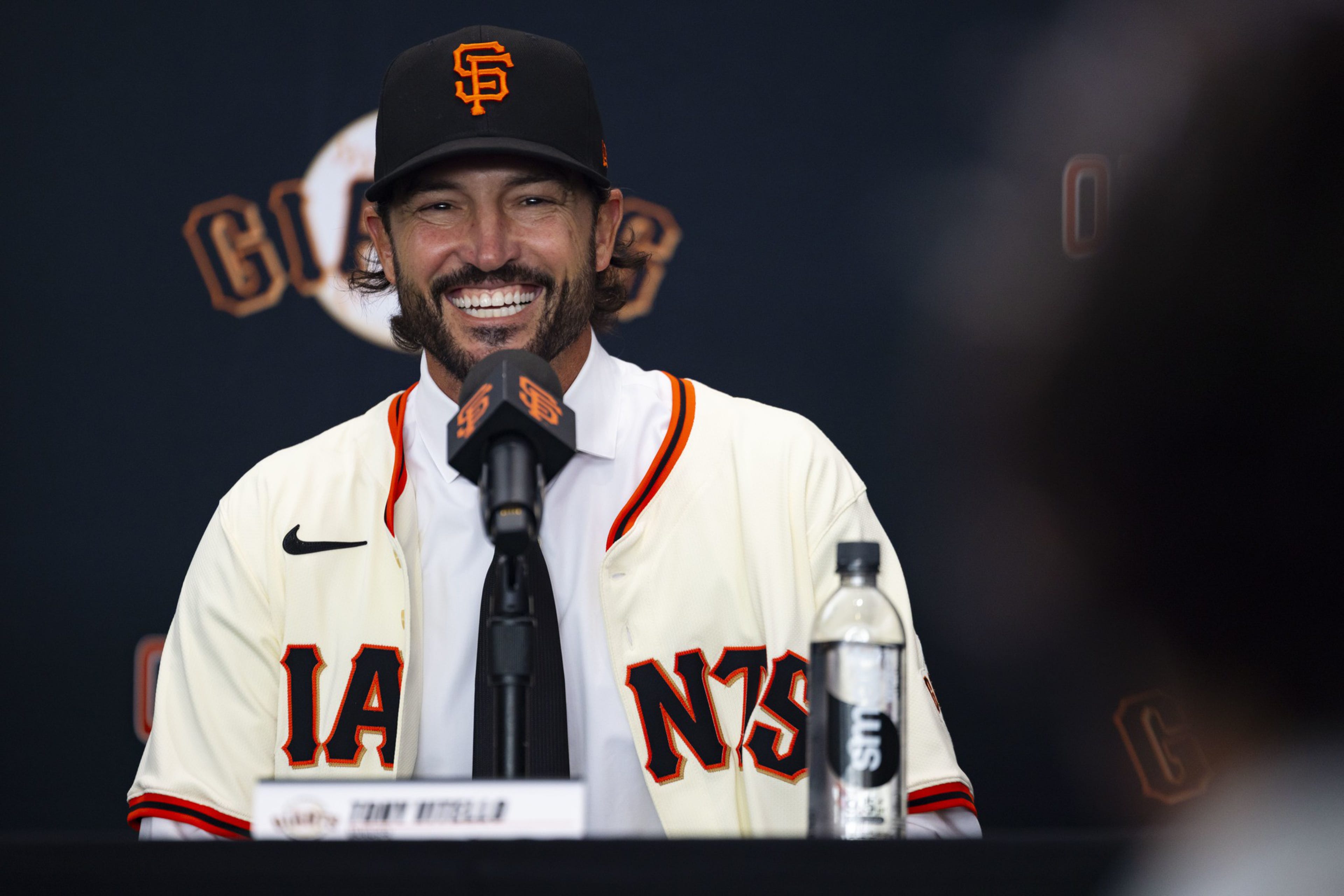
With NBA and NFL transitions, the results have been a mixed bag. I would say those hirings often become disappointing due to the decorated expectations those coaches carry, but with most hires, it always depends on the situation they get themselves into.
As mentioned, there has been no history of college coaches jumping straight to the MLB. This makes the experiment interesting to watch. In the NFL and NBA, college serves as a “glorified” semi-pro or minor league system, depending on how you look at it, so the transition to the pro game seems somewhat transferable. However, with the MLB, the structure is much different. MLB draftees come directly from high school or college, but they are normally sent to the Minor League levels and have to work their way up the roster.
If Vitello was a college coach more focused on recruiting and developing players, how exactly is this going to work? Here is the reason I believe it can.
Vitello is a “different cat” when it comes to leadership. Most college coaches are labeled as control freaks, CEO-types, or drill sergeants. Vitello does have sprinkles of those styles, but his biggest trait is a “lightning rod” style splashed with being a player-first coach. He leads with a shared intensity; he is a man who wants his players to feel he is in the foxhole with them.
The Giants have been lacking intensity for a few seasons—specifically that “edge” they had during their World Series runs in 2010, 2012, and 2014. This is likely why Posey sought out Vitello. Posey was a part of all three World Series teams and has a good sense of what success looks like, especially regarding team chemistry.
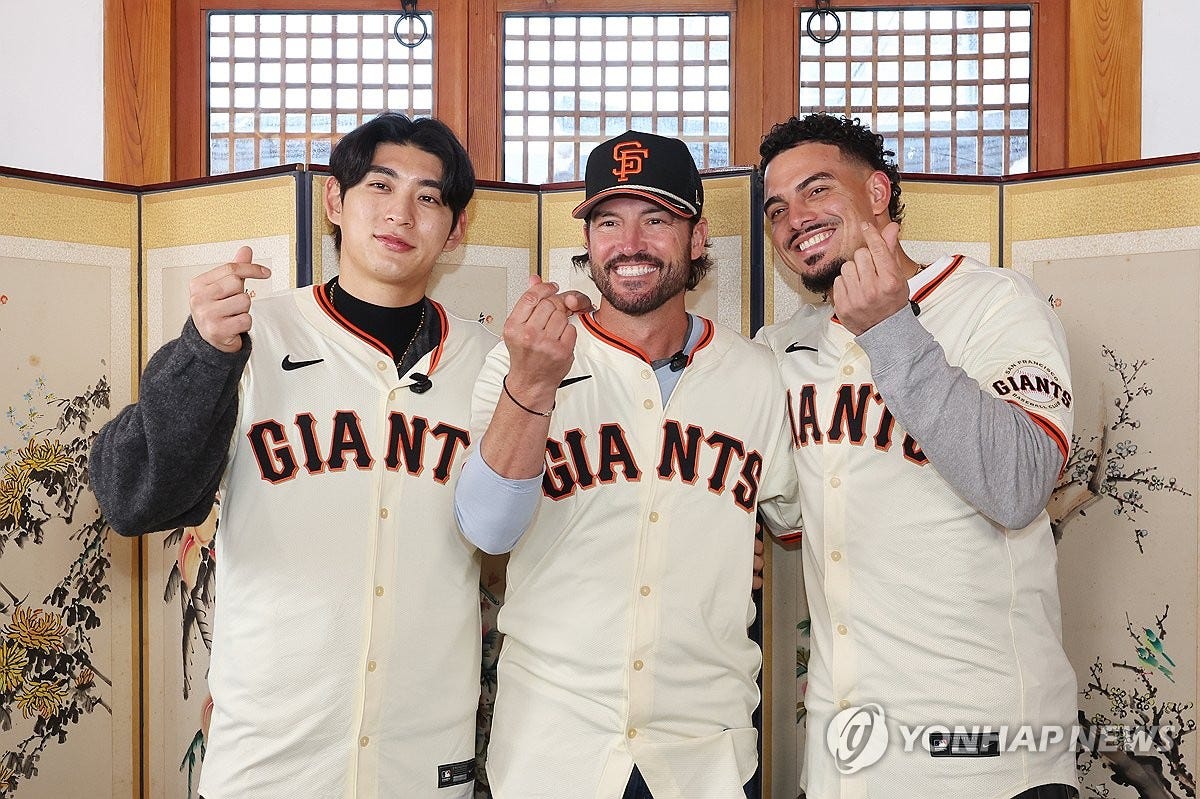
Vitello is a player-first guy, and he has already shown instances of connecting with his new Giants players—most notably Willy Adames and Jung-hoo Lee. During the offseason, Vitello traveled to meet his new players, including visiting Adames in the Dominican Republic. He eventually convinced Adames to travel with him to South Korea to spend time with Lee. (Here is a great article from Matt Postins on Adames’ admiration for Vitello and the trip they took to see Lee).
The most intriguing aspect I’ll be watching for in his tenure is how they differentiate themselves from their competition. In sports, I am always intrigued by how teams construct their rosters to combat their competitors—to “Zig” while the league “Zags.” The Giants’ approach fits this perfectly.
Their arch-rivals, the Los Angeles Dodgers, are hard to match organizationally. If there were a Fortune 500 team in sports, it’s the Dodgers. Big city, big brand, big spending, analytically inclined, and calculated. The Dodgers have been at the top of the NL West for years and are now back-to-back World Series champions. Let’s be real: there aren’t really any teams that can completely match the organizational level of the Dodgers right now. So, the Giants decided to be the complete opposite.
What Posey and Vitello are building is a team that won’t be scared of the Dodgers at all. If you could watch the movie The Outsiders in real life, the Dodgers are the Socs and the Giants are the Greasers, with Vitello being the Giants’ version of Dally.
This isn’t the first time a historic franchise had to change its trajectory to compete with a rival. One can point back to the 2004 World Series champion Boston Red Sox. The Yankees were the “Evil Empire” of the late 90s and early 2000s. Theo Epstein joined the Red Sox organization in 2002 at 28 years old to become the GM. As a new-school GM who made many decisions with data, Epstein learned he had to make specialized, strategic decisions to zig while the Yankees zagged with big-name sluggers.
Being analytically inclined, Epstein brought in reliable closer Keith Foulke before the season. His biggest move was trading away fan-favorite Nomar Garciaparra for defensive help in Orlando Cabrera and Doug Mientkiewicz. He also brought in Dave Roberts (ironically the current Dodgers manager) midseason in 2004. Roberts became a Boston legend with his stolen base in the bottom of the 9th of Game 4. With the Red Sox facing elimination and down to their final three outs, that single play ignited a late-inning rally to tie the game and eventually secure a Game 4 victory in extras that kept the series alive. That win became the spark for the greatest comeback in sports history, as the Red Sox overcame a 0-3 series deficit to defeat the Yankees and eventually secure their first World Series title in 86 years.
The biggest question for me on this hire will be how humble Vitello can be. His additions of long-time lifer Ron Washington and former MLB manager Jayce Tingler are good signs of bringing in people with managerial experience to help him navigate the learning curve. It will be a continued theme to watch Vitello and see how much he can reflect and adapt in this job.
I normally like diving into analytics and data to paint a story, but this experiment feels much more psychological and emotional than analytical. That makes it incredibly fascinating. It’s a bold hire by Posey, but to me, it feels like a necessary strategic risk to combat the Dodgers and bring championship baseball back to the Bay Area.